
Nutrition and hydration oversight
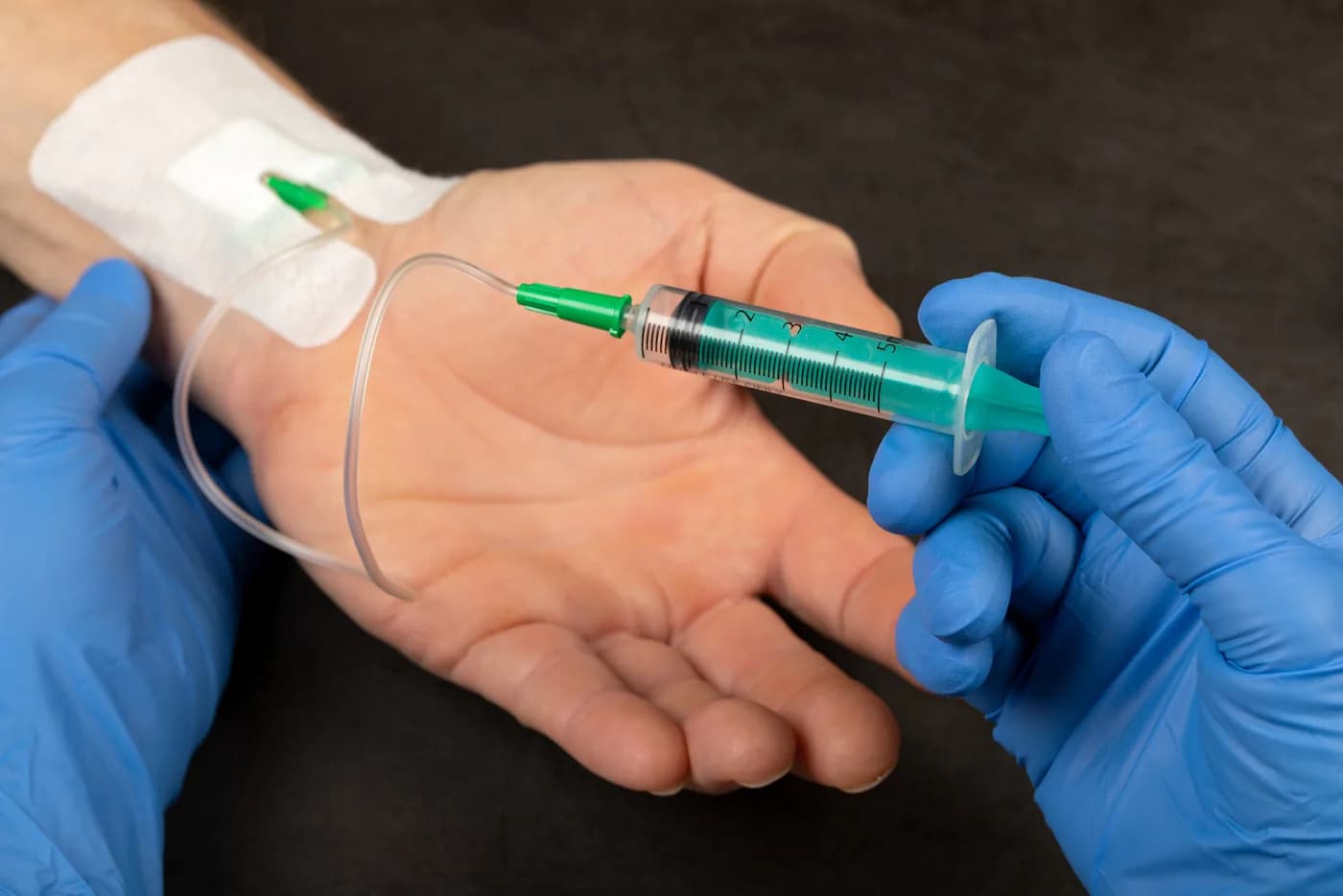
Understanding Nutrition and hydration oversight
Adequate nutrition and hydration are fundamental to health, healing, and quality of life — yet patients who rely on tube feeding face unique challenges in meeting their nutritional needs. Private duty nurses monitor caloric intake, fluid balance, weight trends, and laboratory values to ensure that the prescribed feeding regimen supports the patient's clinical goals. They work closely with physicians and registered dietitians to adjust formulas, rates, and supplemental fluids as the patient's needs evolve.
Dehydration and malnutrition are common but preventable complications in tube-fed patients. Factors such as fever, diarrhea, inadequate free water flushes, and formula intolerance can quickly disrupt fluid and nutritional balance. Skilled monitoring catches these trends early, enabling timely intervention before they lead to hospitalization.
What to Expect
Your nurse will track daily intake of formula and free water, record output including urine and stool frequency, and monitor the patient's weight on a regular schedule. They will assess for clinical signs of dehydration such as dry mucous membranes, decreased urine output, and skin turgor changes. Lab results including electrolytes, albumin, and prealbumin will be reviewed in coordination with the physician and dietitian.
Supporting Nutritional Health
Follow the prescribed feeding schedule consistently, including all ordered free water flushes. Do not substitute formula brands or concentrations without consulting your care team, as even minor changes can affect caloric and nutrient delivery. Keep the head of the bed elevated during and for thirty to sixty minutes after feedings to reduce aspiration risk. Track and report any changes in stool consistency, frequency, or the patient's overall energy level.
When to Contact Your Care Team
Notify the care team if the patient is losing weight, producing significantly less urine than usual, experiencing persistent nausea or vomiting, or showing signs of dehydration. Report any new laboratory abnormalities flagged by the physician's office. Call 911 immediately if the patient becomes confused or lethargic, has a seizure possibly related to electrolyte imbalance, or shows signs of aspiration such as sudden respiratory distress during or after feeding.
This educational resource is provided by CarePine Home Health for informational purposes. Always follow the individualized care plan developed by your healthcare team. If you have questions or concerns about your condition, contact your care team or call CarePine at 888.507.2997.
Medical Disclaimer: This information is intended for educational purposes only and does not replace professional medical advice. Always consult your physician or home health care team for personalized medical guidance.