
Blood pressure and heart rate education
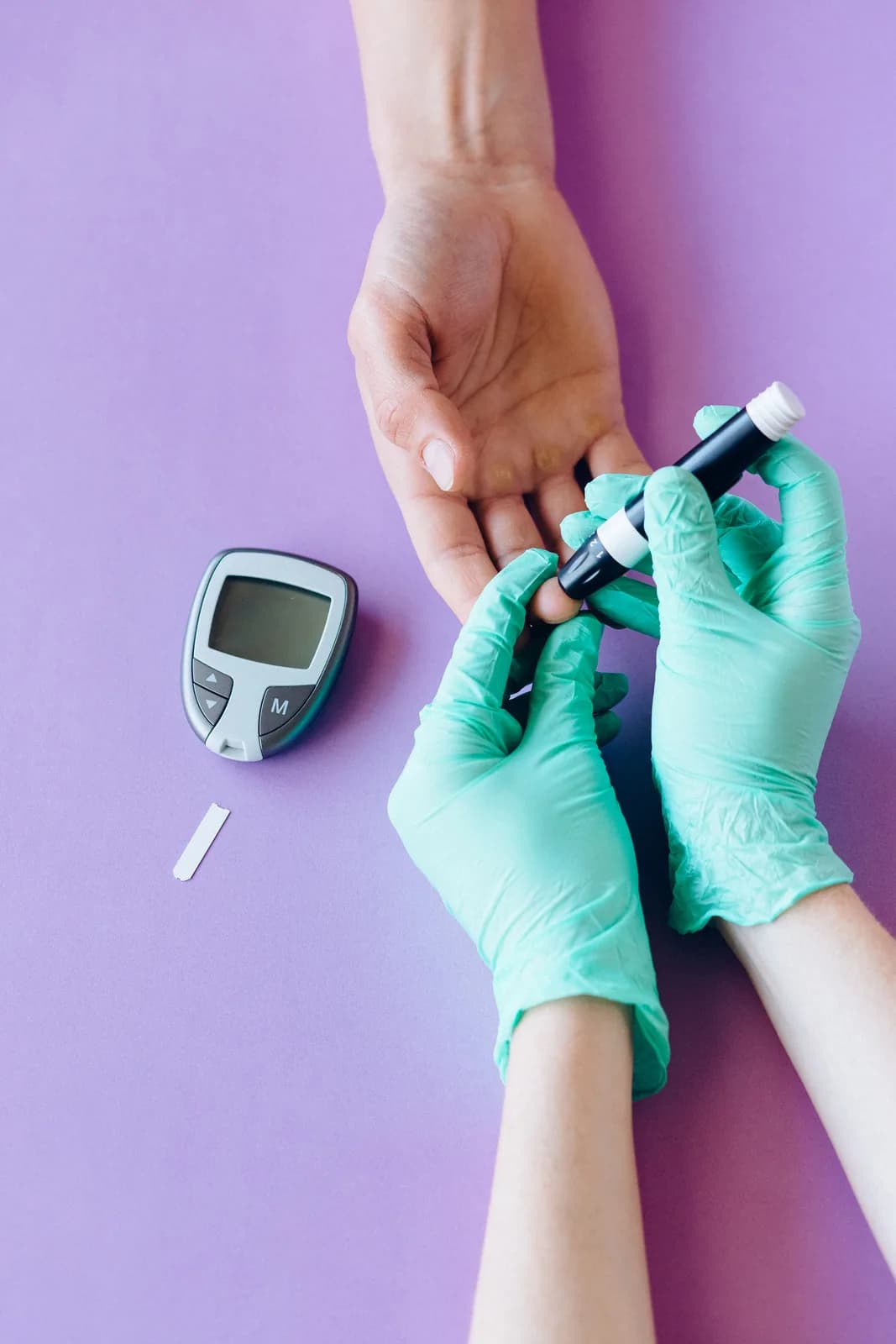
Understanding Blood pressure and heart rate education
Monitoring blood pressure and heart rate at home provides critical data for managing cardiovascular conditions including hypertension, heart failure, arrhythmias, and post-surgical recovery. Home readings taken in a familiar, low-stress environment often provide a more accurate picture of a patient's cardiovascular status than readings taken in a clinical setting, where white-coat hypertension can skew results.
Skilled cardiac nurses teach patients and caregivers the correct technique for taking blood pressure and heart rate measurements, help select appropriate monitoring equipment, and establish a recording schedule. These readings are reviewed at each visit and shared with the physician to guide medication adjustments and treatment decisions. Over time, patients become more attuned to how their body feels at different blood pressure and heart rate levels, strengthening their ability to self-manage.
What to Expect with Home Monitoring
Your nurse will ensure you have a validated blood pressure monitor with the correct cuff size — an improperly sized cuff can produce inaccurate readings. You will be taught to sit quietly for five minutes before measuring, keep your arm supported at heart level, and avoid caffeine, exercise, and smoking for at least 30 minutes prior. Your nurse will compare your home monitor readings with their clinical-grade device to verify accuracy and establish a consistent measurement schedule, typically morning and evening.
Understanding Your Numbers
Blood pressure readings consist of two numbers: systolic (pressure during heartbeats) and diastolic (pressure between beats). Your care team will provide individualized target ranges based on your diagnoses and medications. Heart rate is measured as beats per minute and can indicate how well your heart is responding to medications and activity. Record every reading with the date, time, and any symptoms you were experiencing. Patterns over days and weeks are more informative than any single reading.
When to Contact Your Care Team
Contact your nurse or physician if your blood pressure is consistently above or below your target range, if your heart rate is unusually fast or slow compared to your baseline, or if you feel dizzy, lightheaded, or fatigued when your readings are abnormal. Report frequent headaches, visual changes, or palpitations. If your systolic blood pressure exceeds 180 or diastolic exceeds 120 and you have symptoms such as chest pain, shortness of breath, severe headache, or vision changes, call 911 immediately as this may indicate a hypertensive emergency.
This educational resource is provided by CarePine Home Health for informational purposes. Always follow the individualized care plan developed by your healthcare team. If you have questions or concerns about your condition, contact your care team or call CarePine at 888.507.2997.
Medical Disclaimer: This information is intended for educational purposes only and does not replace professional medical advice. Always consult your physician or home health care team for personalized medical guidance.