
Hypertension and kidney health literacy
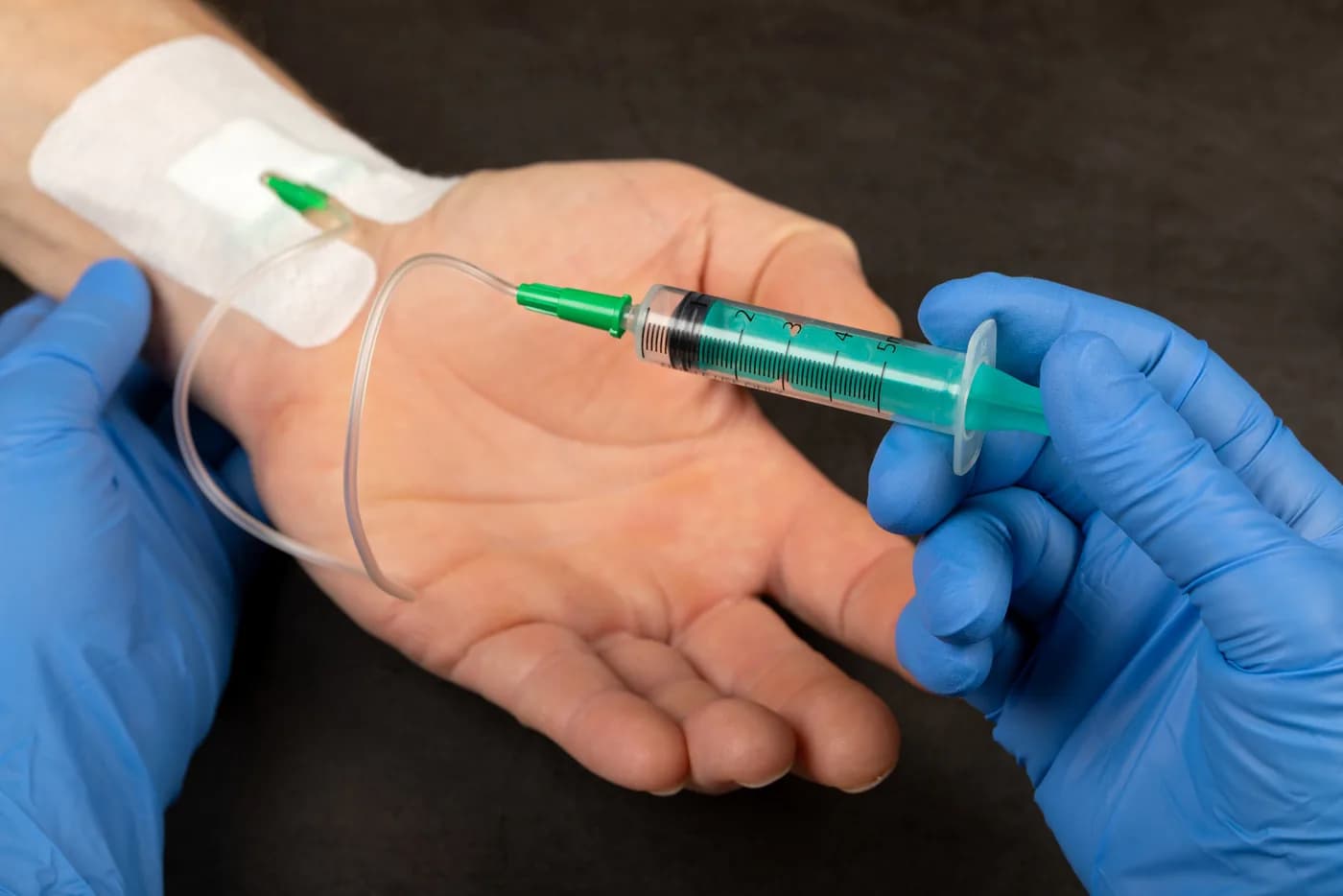
Understanding Hypertension and kidney health literacy
Kidney disease and hypertension are closely linked conditions that require coordinated management to slow disease progression, control blood pressure, and prevent complications such as cardiovascular events, electrolyte imbalances, and progression to dialysis. High blood pressure is both a cause and a consequence of kidney disease, creating a cycle that demands vigilant monitoring and adherence to a comprehensive care plan.
Skilled nurses help patients manage this dual diagnosis at home by monitoring blood pressure, reviewing laboratory results, educating on dietary restrictions including sodium, potassium, and phosphorus limits, and ensuring medication adherence. Patients with kidney disease often take multiple medications that require precise timing and dosing, and home nursing visits provide an essential layer of safety and coordination between the nephrologist, primary care physician, and other specialists.
What to Expect from Home Management
Your nurse will monitor your blood pressure at each visit and compare it with your home readings. They will review recent lab results including kidney function markers such as creatinine, GFR, and electrolyte levels. Your medication list will be carefully reviewed because many common medications — including over-the-counter pain relievers — can worsen kidney function. Your nurse will coordinate with your nephrologist and primary care provider to ensure your care plan reflects the latest lab values and clinical status.
Dietary and Lifestyle Management
Follow the dietary plan prescribed by your care team, which may include limits on sodium, potassium, phosphorus, protein, and fluids depending on your stage of kidney disease. Avoid processed foods and read labels carefully. Take your blood pressure medications at the same time each day, even if you feel fine, because hypertension often causes no symptoms until it reaches dangerous levels. Stay active within your physician's guidelines and maintain a healthy weight. Limit alcohol and avoid tobacco, as both contribute to kidney and cardiovascular damage.
When to Contact Your Care Team
Contact your nurse or physician if your blood pressure readings are consistently outside your target range, if you notice swelling in your face, hands, or feet, or if your urine output decreases significantly. Report persistent fatigue, nausea, muscle cramps, or a metallic taste in your mouth, as these may signal worsening kidney function. If you experience severe headache with vision changes, chest pain, difficulty breathing, blood in your urine, or a sudden inability to urinate, call 911 immediately.
This educational resource is provided by CarePine Home Health for informational purposes. Always follow the individualized care plan developed by your healthcare team. If you have questions or concerns about your condition, contact your care team or call CarePine at 888.507.2997.
Medical Disclaimer: This information is intended for educational purposes only and does not replace professional medical advice. Always consult your physician or home health care team for personalized medical guidance.