
Laboratory coordination
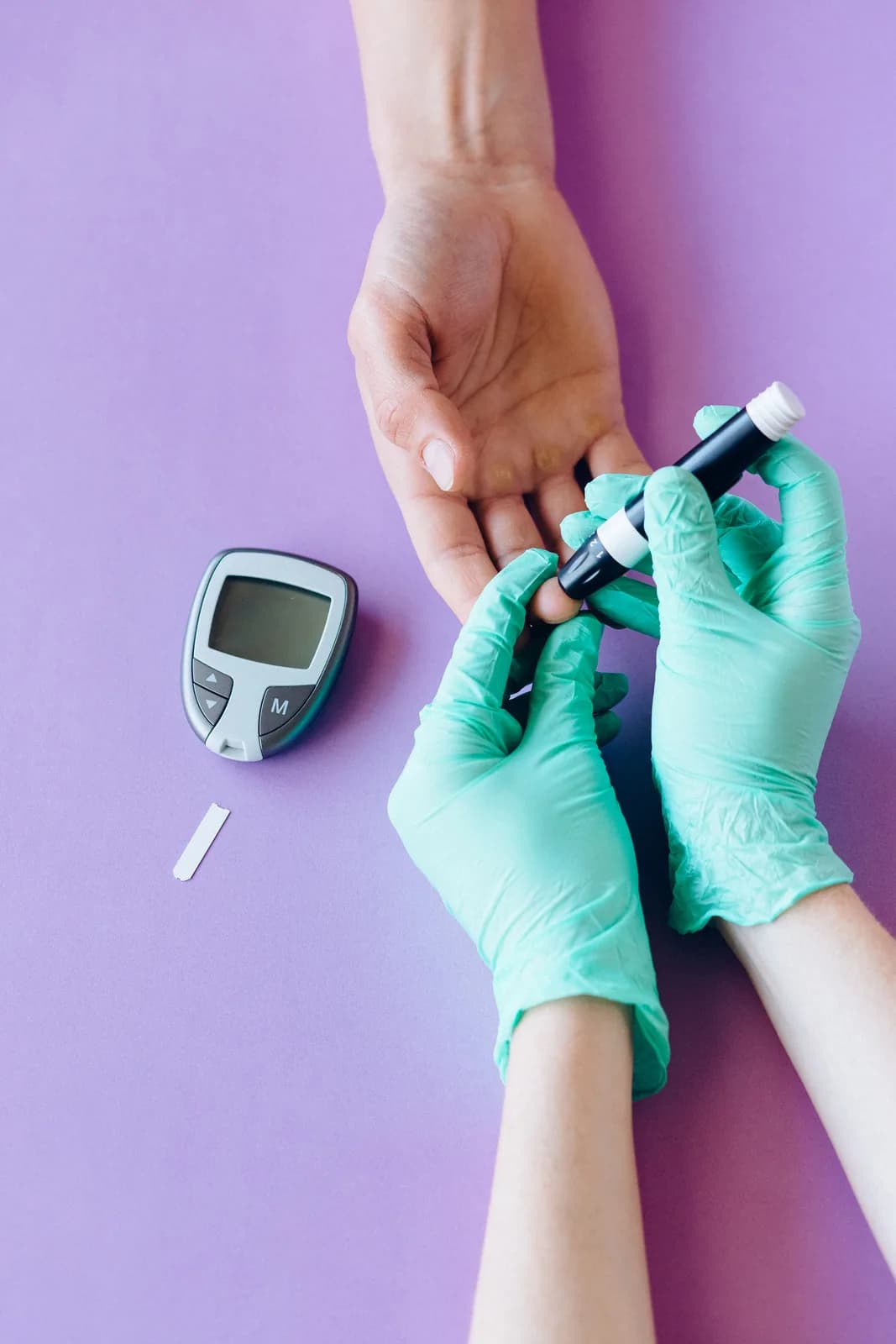
Understanding Laboratory coordination
Many infusion therapies require regular laboratory monitoring to ensure the medication is working effectively and not causing harmful side effects. Lab work may include blood counts, kidney and liver function tests, drug levels, electrolyte panels, and coagulation studies depending on the therapy being administered. Coordinated lab scheduling ensures results are available to the prescribing physician before the next infusion, allowing timely dose adjustments or therapy modifications.
Infusion nurses coordinate lab draws with the patient's infusion schedule, often performing the blood draw during a scheduled nursing visit to minimize inconvenience. Results are communicated to the physician and pharmacist, and any concerning values trigger a clinical review before the next dose is administered. This closed-loop process protects patients from cumulative toxicity and drug-related complications.
What to Expect with Lab Monitoring
Your nurse will explain which lab tests are needed and how often they will be drawn. In most cases, blood can be drawn from your central line during a scheduled visit, reducing the need for separate needle sticks. Results are typically available within 24 to 48 hours and are reviewed by your care team. You may be asked to fast before certain draws — your nurse will provide specific instructions in advance.
Why Lab Monitoring Matters
Certain infusion medications can affect kidney function, liver enzymes, blood cell counts, or electrolyte balance over time. Regular lab monitoring catches these changes early so your physician can adjust the dose, switch medications, or add supportive treatments. For antibiotics, drug-level monitoring (peak and trough levels) helps ensure the dose is high enough to be effective but not so high that it causes toxicity. Your care team uses this information to keep your therapy safe and on track.
When to Contact Your Care Team
Contact your nurse if you miss a scheduled lab draw or if you are unable to fast as instructed. Report symptoms that may indicate abnormal lab values, such as unusual bruising or bleeding, persistent fatigue, dark urine, yellowing of the skin or eyes, or decreased urine output. If you develop sudden severe symptoms — uncontrolled bleeding, extreme weakness, chest pain, or difficulty breathing — call 911 immediately, as these may indicate a critical change in your blood work that requires emergency evaluation.
This educational resource is provided by CarePine Home Health for informational purposes. Always follow the individualized care plan developed by your healthcare team. If you have questions or concerns about your condition, contact your care team or call CarePine at 888.507.2997.
Medical Disclaimer: This information is intended for educational purposes only and does not replace professional medical advice. Always consult your physician or home health care team for personalized medical guidance.