
Pump and tubing safety checks
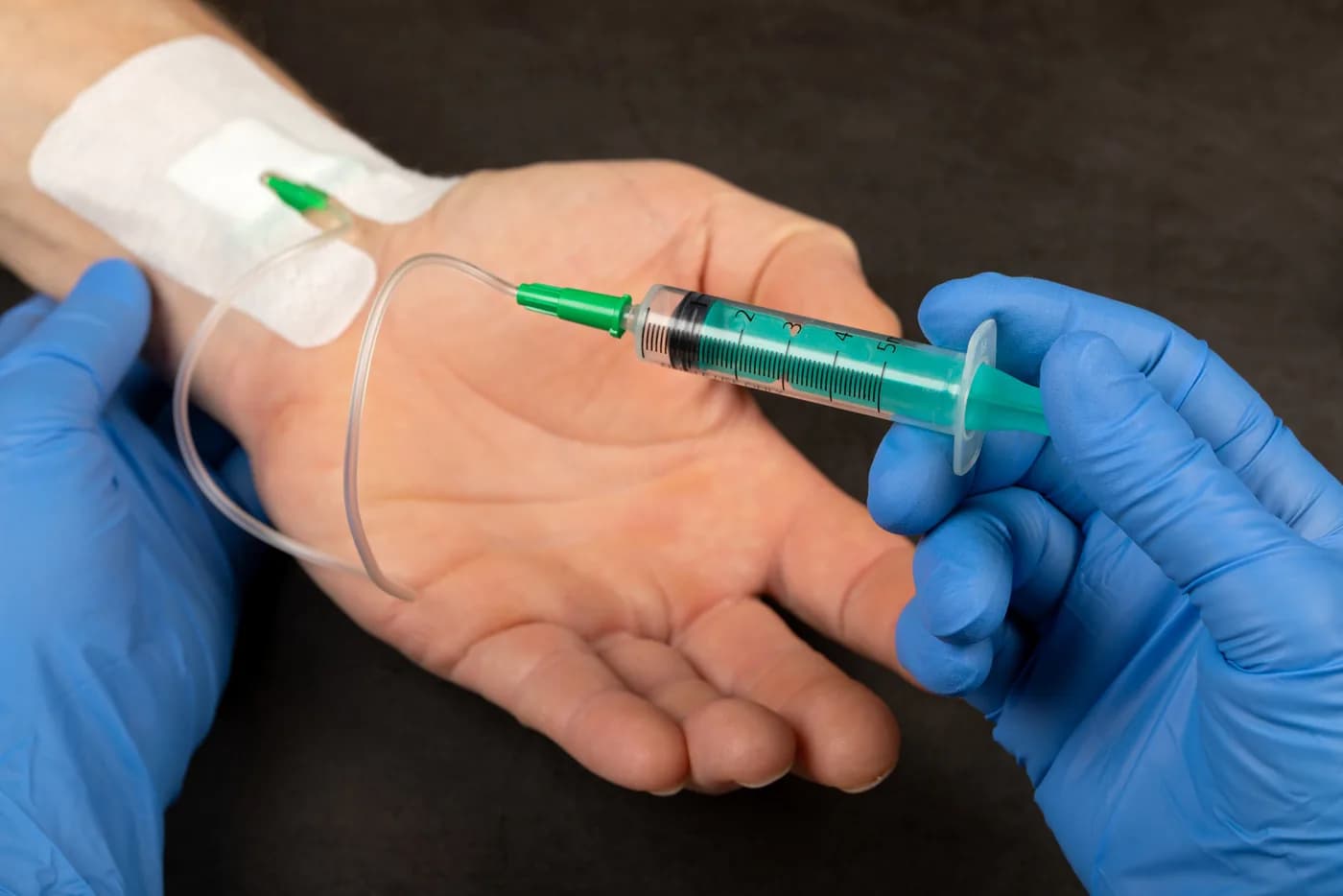
Understanding Pump and tubing safety checks
Infusion pumps deliver medications, fluids, and nutrients at precisely controlled rates and are a critical component of home infusion therapy. While modern pumps include numerous safety features such as air-in-line detectors, occlusion alarms, and dose-limit guards, patients and caregivers must understand basic pump operation to respond to alarms, prevent interruptions in therapy, and maintain safe delivery of prescribed treatments.
Common home infusion pumps include ambulatory pumps for continuous or intermittent infusions and elastomeric devices that deliver medication without electronic components. Each type has specific safety considerations. Your infusion nurse will provide comprehensive training on your specific pump model, including how to silence alarms, check battery life, and troubleshoot common issues. This education is reinforced at each nursing visit.
What to Expect with Your Infusion Pump
Your nurse will set up the pump, program the prescribed rate and volume, and verify all settings before starting the infusion. You will be shown how to read the pump display, understand common alarm messages, and perform basic troubleshooting such as checking for kinked tubing or air bubbles. A quick-reference card specific to your pump model will be provided for use between visits.
Pump Safety and Troubleshooting Basics
Keep the pump on a stable surface or securely clipped to your clothing if ambulatory. Do not adjust the programmed rate unless specifically instructed to do so. If an alarm sounds, check the tubing for kinks, ensure the clamp is open, and verify the medication bag is not empty. Keep backup batteries on hand and charge the pump as directed. Never silence an alarm repeatedly without identifying the cause — persistent alarms may indicate a real problem with medication delivery.
When to Contact Your Care Team
Contact your infusion nurse if the pump alarm continues after troubleshooting, if you notice the medication is infusing too quickly or too slowly, or if you see blood backing up in the tubing. Report any swelling, redness, or pain near the IV site that develops during an infusion, as this may indicate infiltration. If the pump malfunctions and medication is delivered too rapidly, or if you experience sudden chest pain, difficulty breathing, or a rapid change in heart rate during an infusion, call 911 immediately.
This educational resource is provided by CarePine Home Health for informational purposes. Always follow the individualized care plan developed by your healthcare team. If you have questions or concerns about your condition, contact your care team or call CarePine at 888.507.2997.
Medical Disclaimer: This information is intended for educational purposes only and does not replace professional medical advice. Always consult your physician or home health care team for personalized medical guidance.